







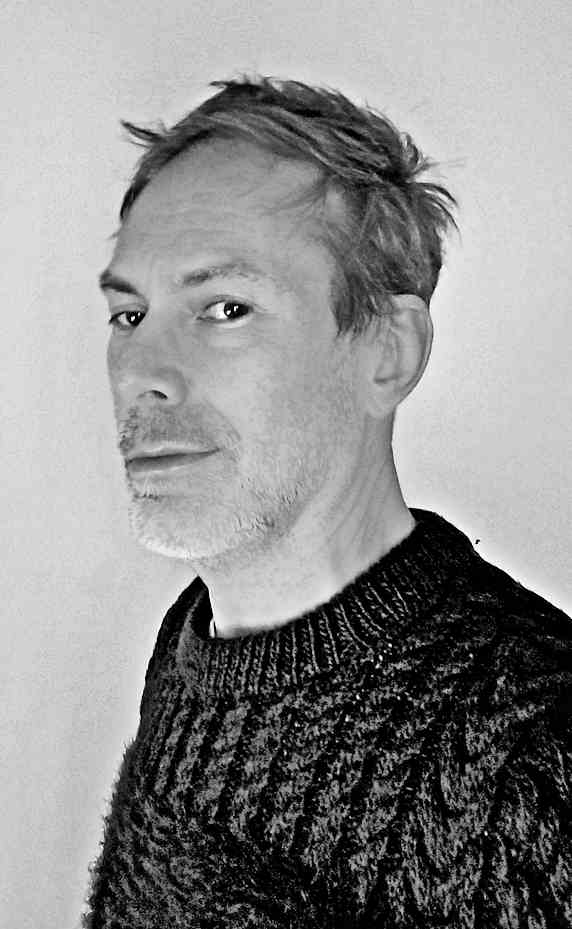
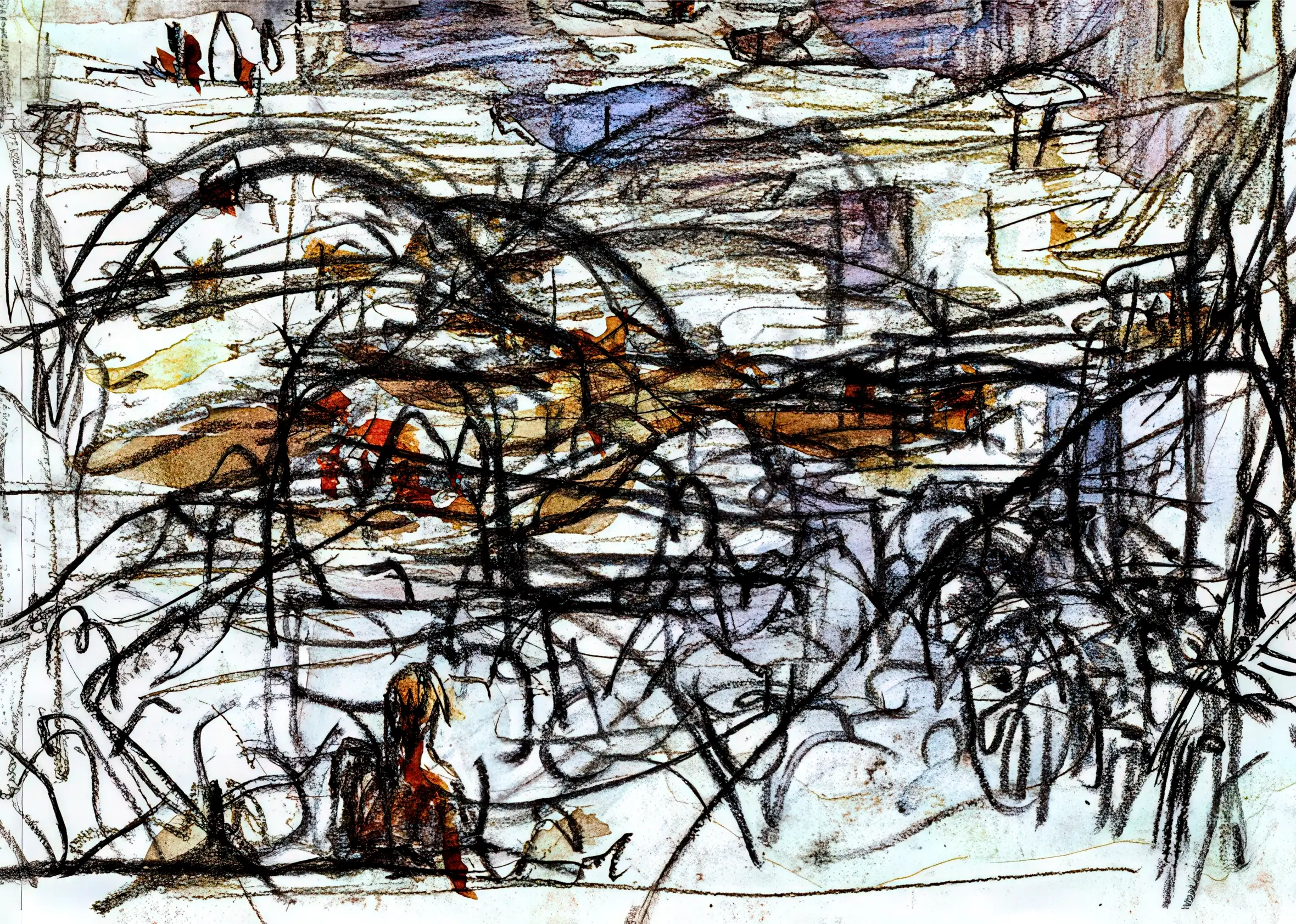
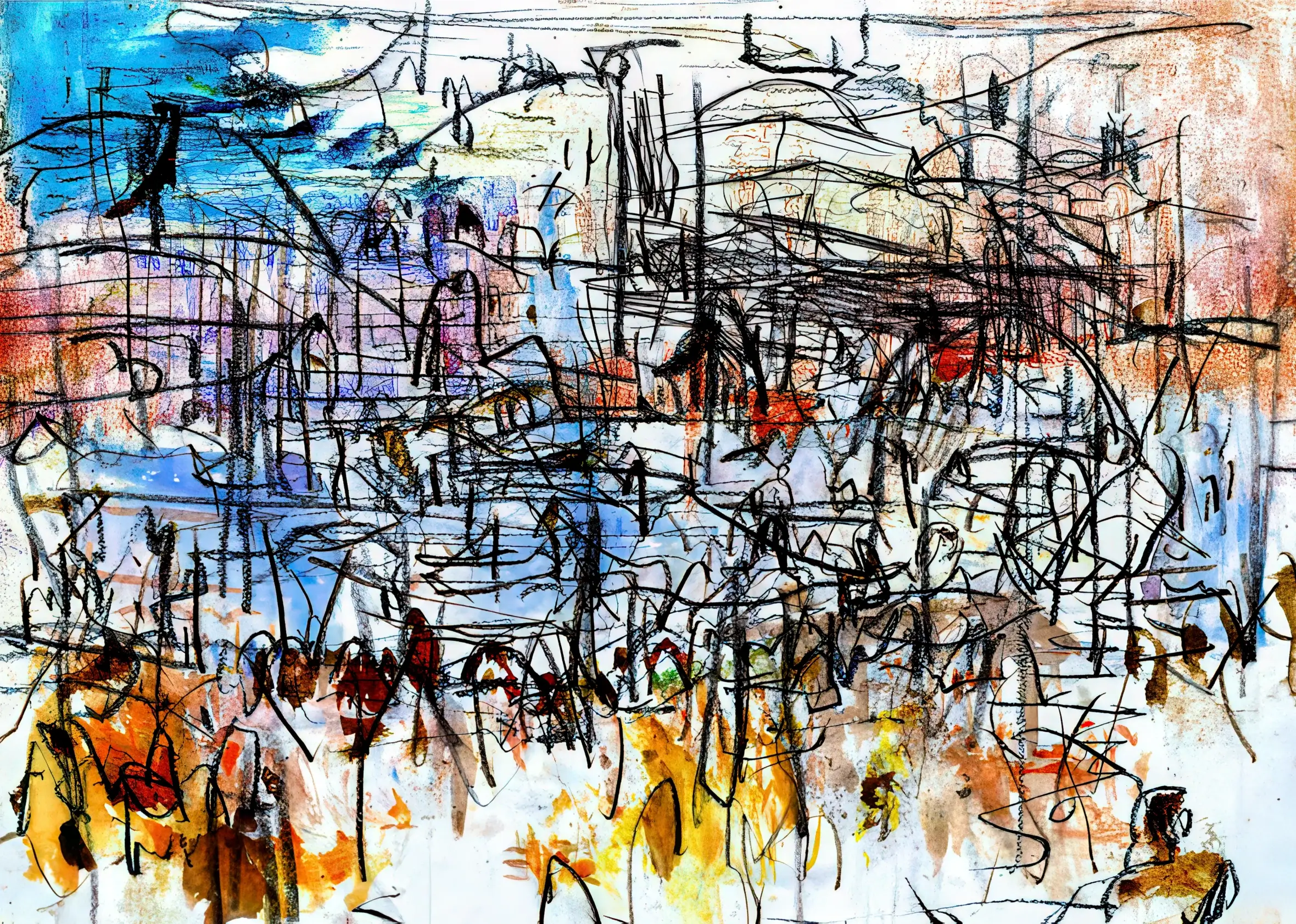
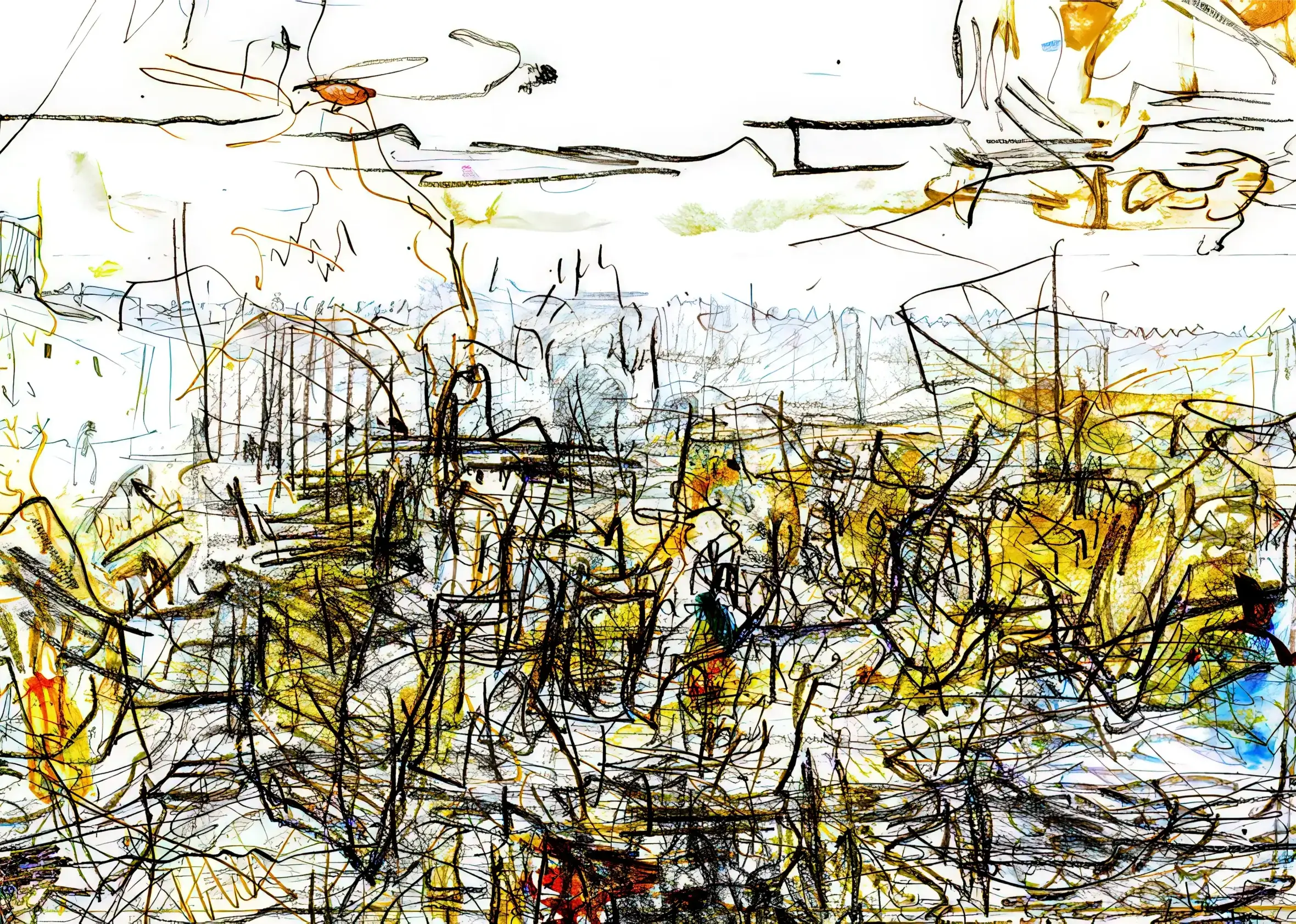
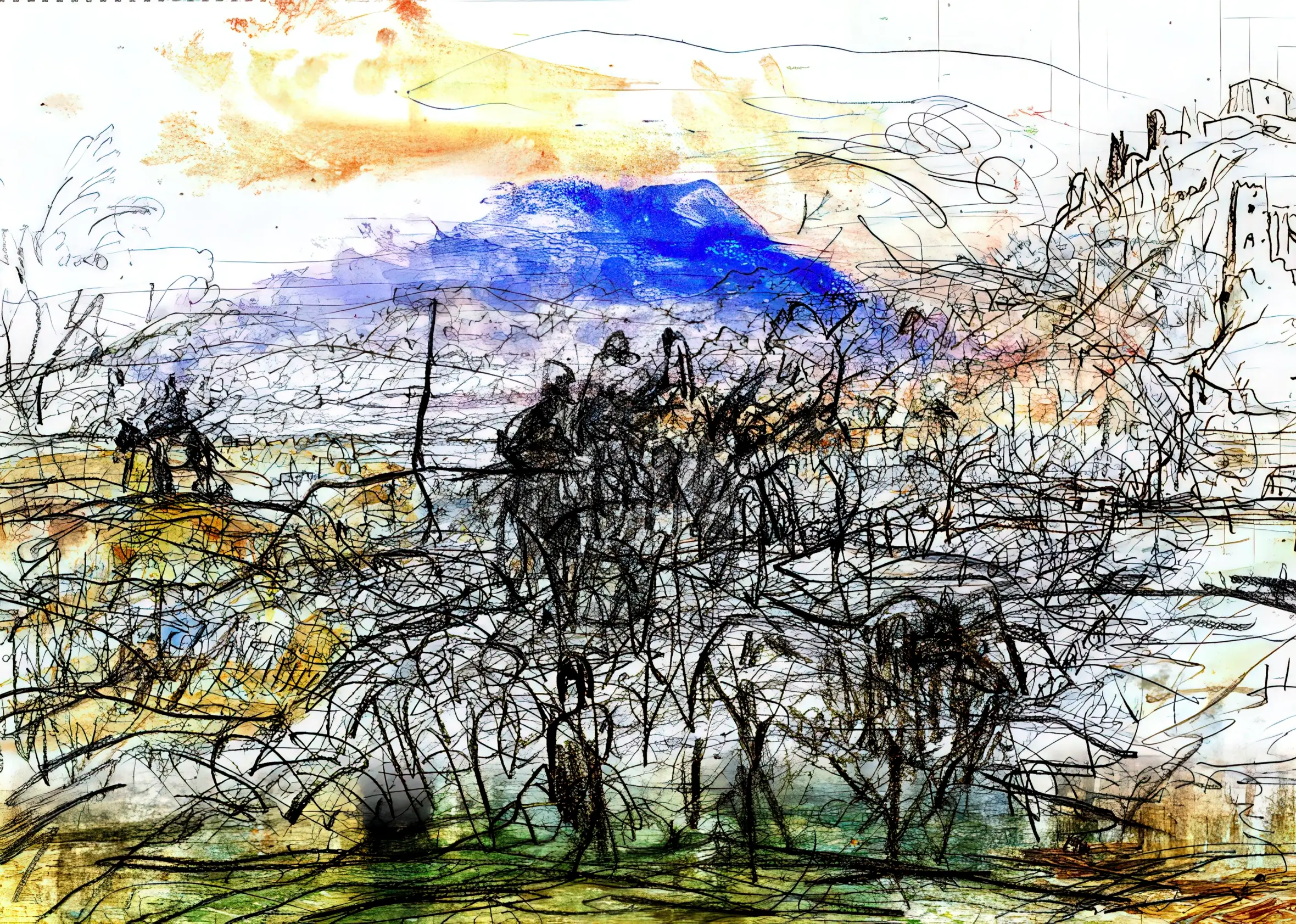
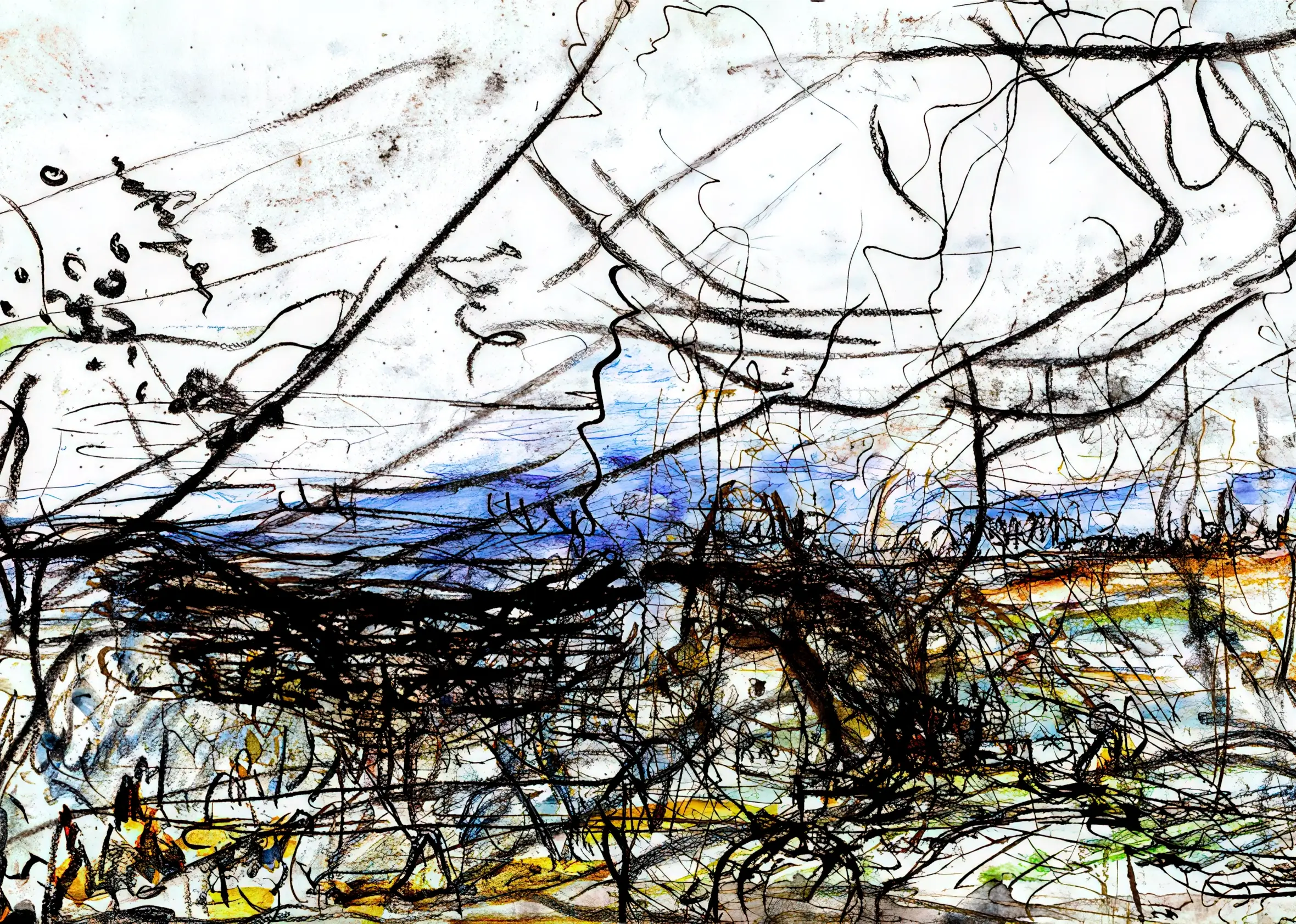
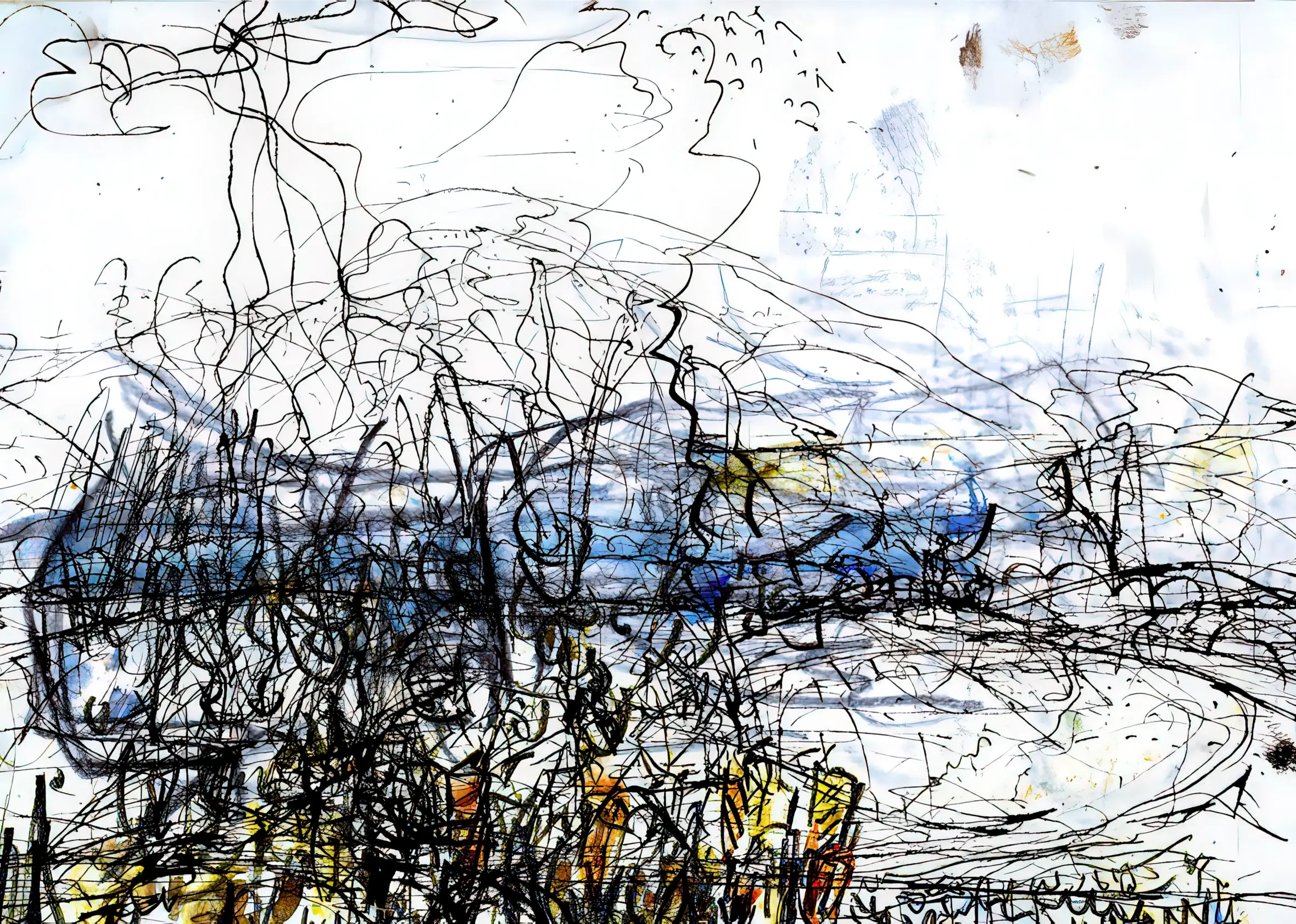
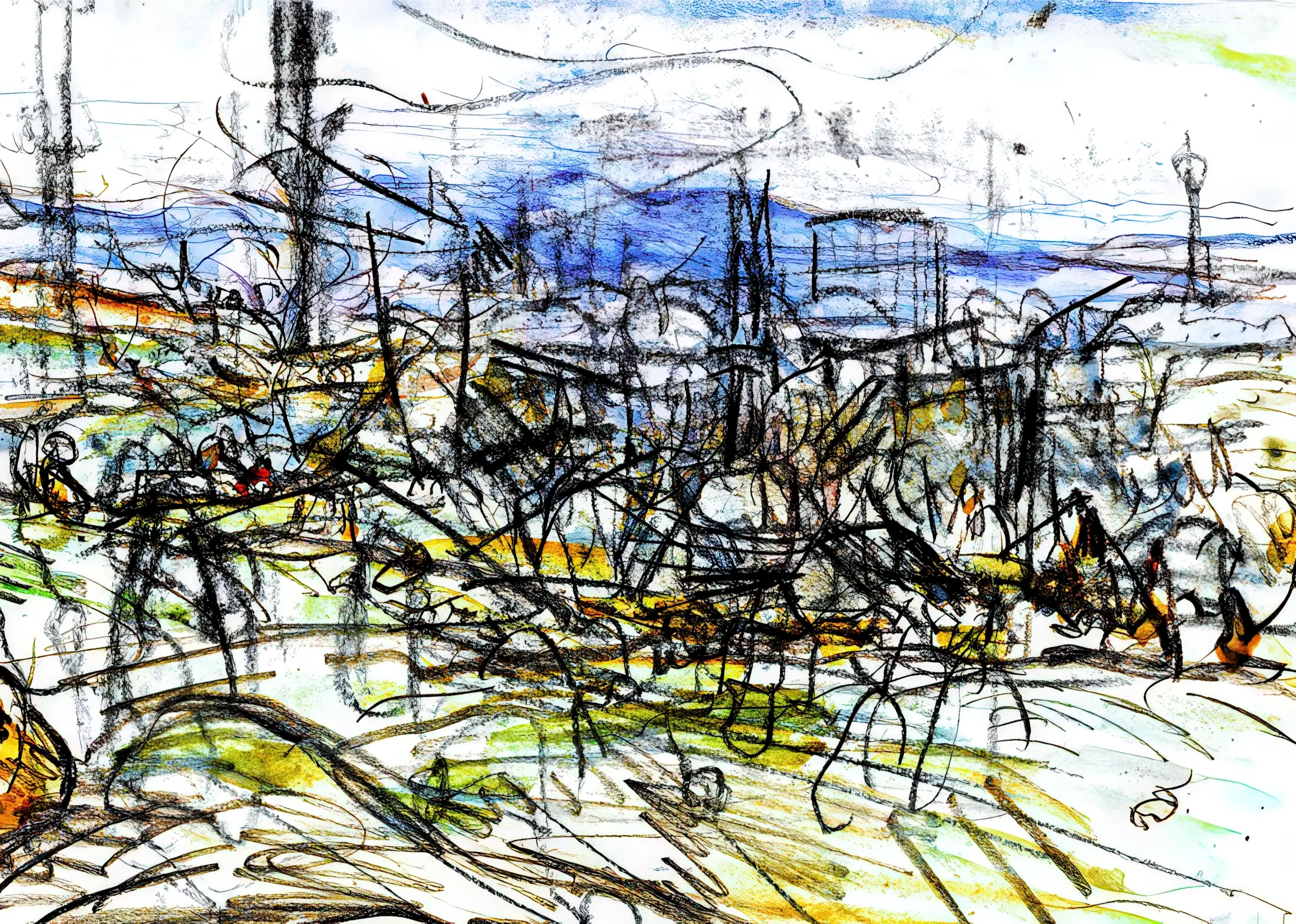
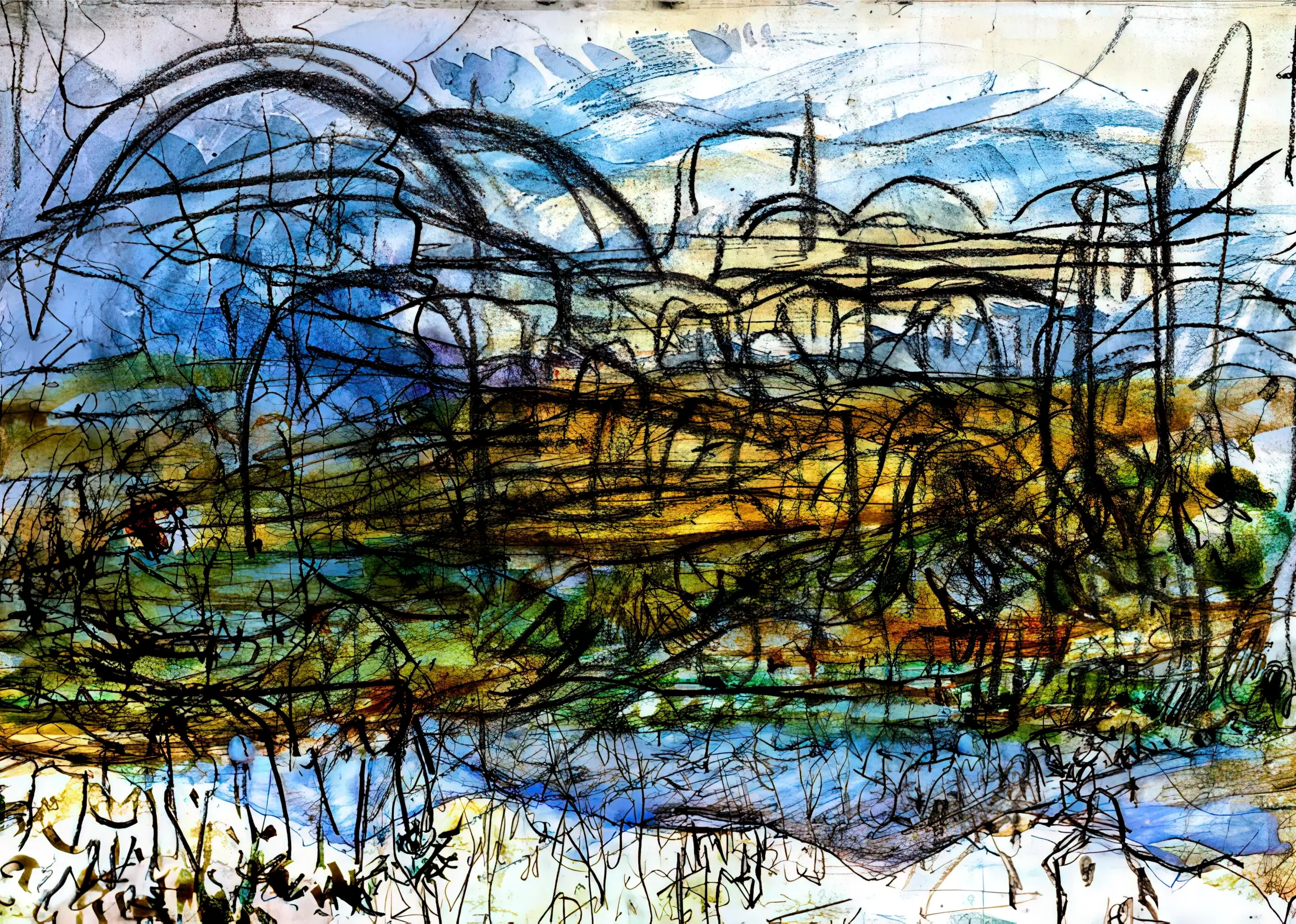
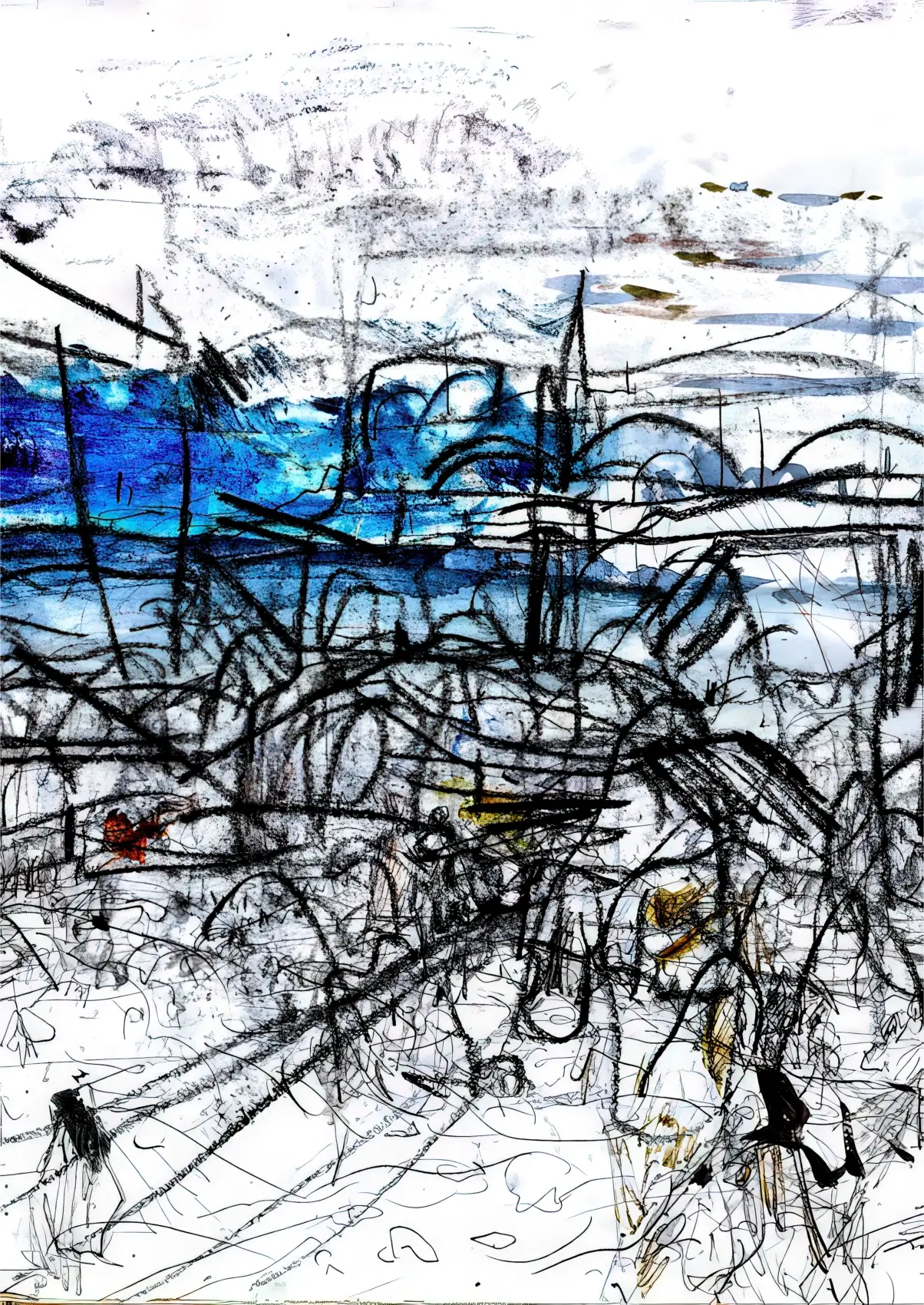
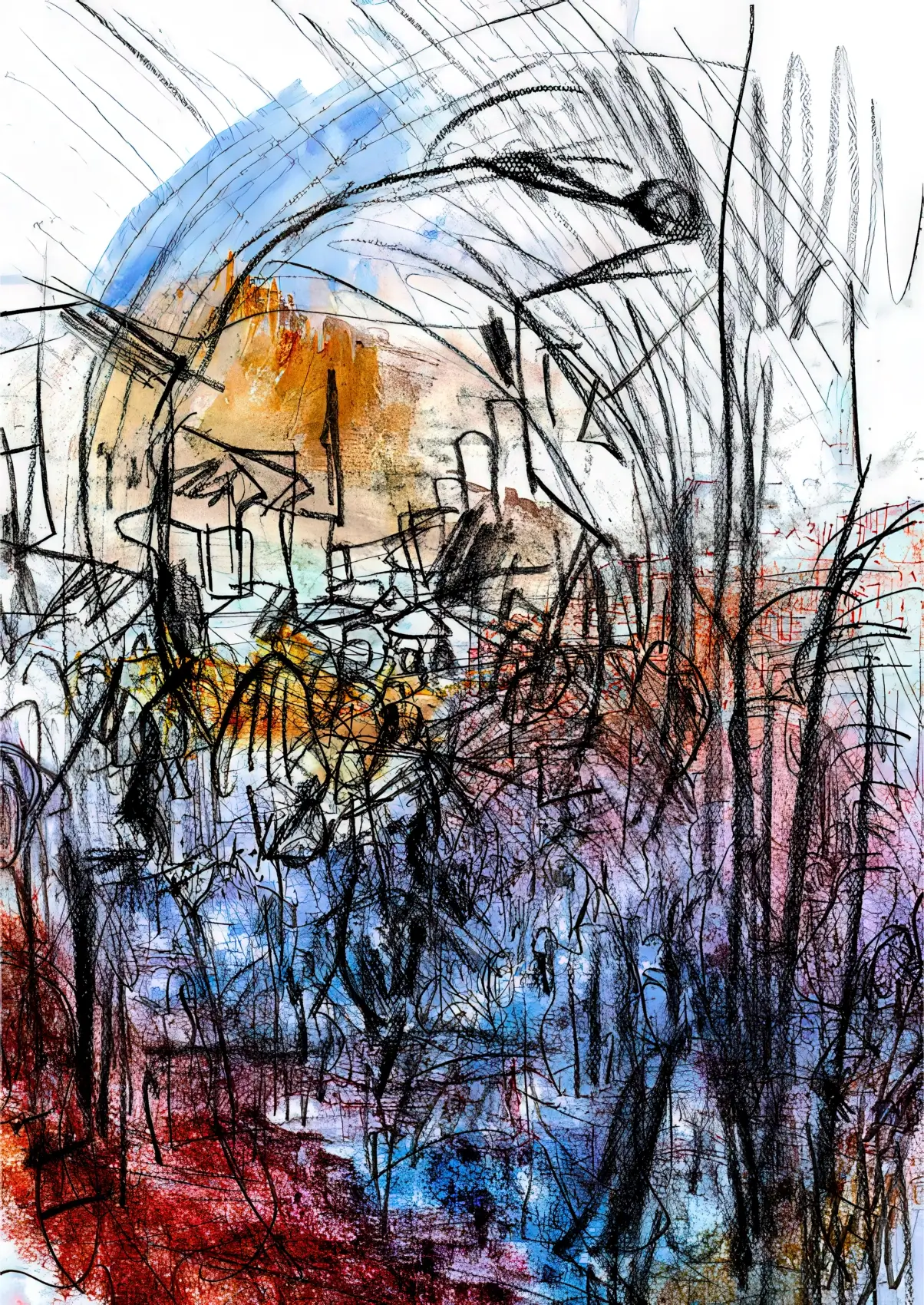
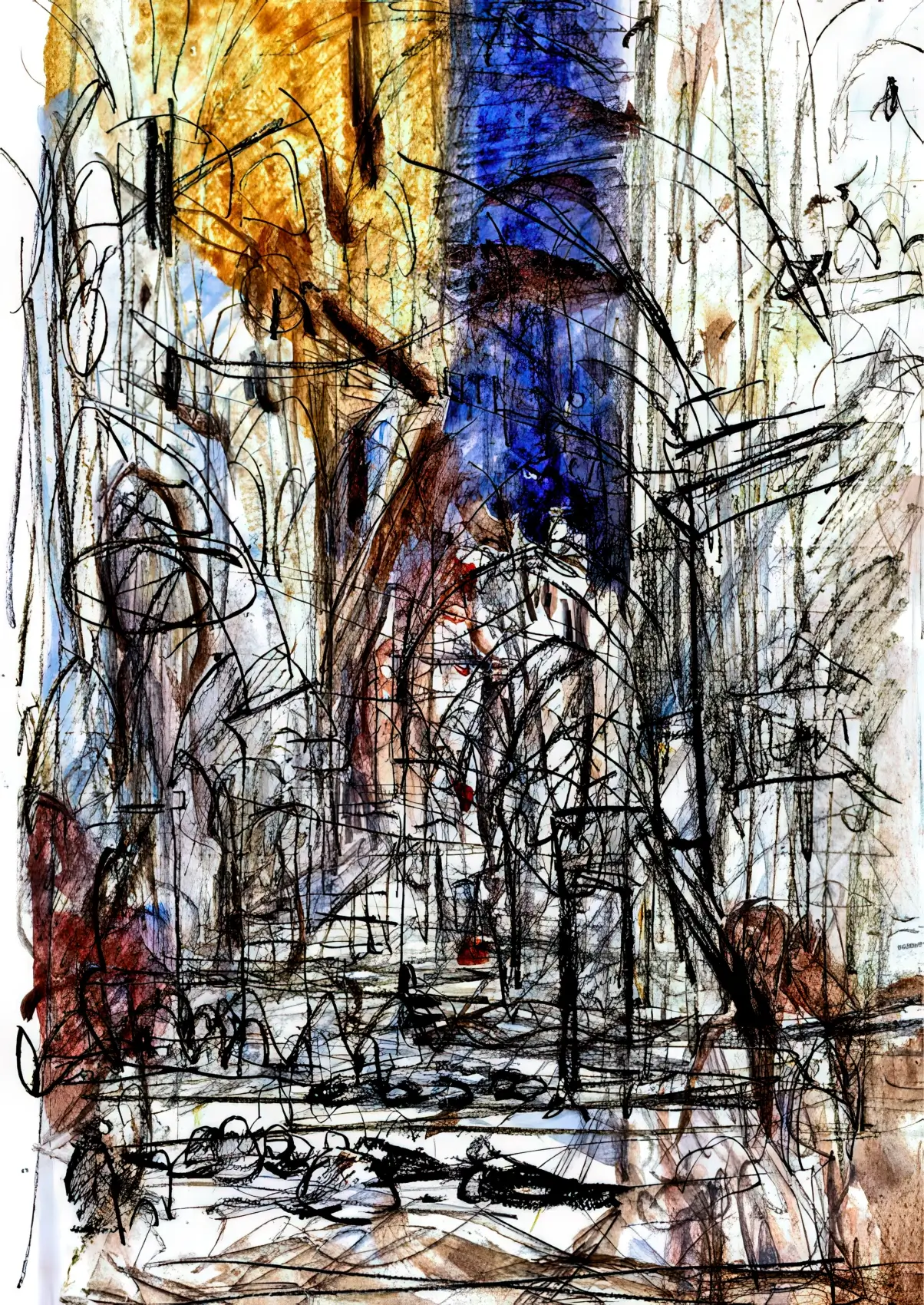
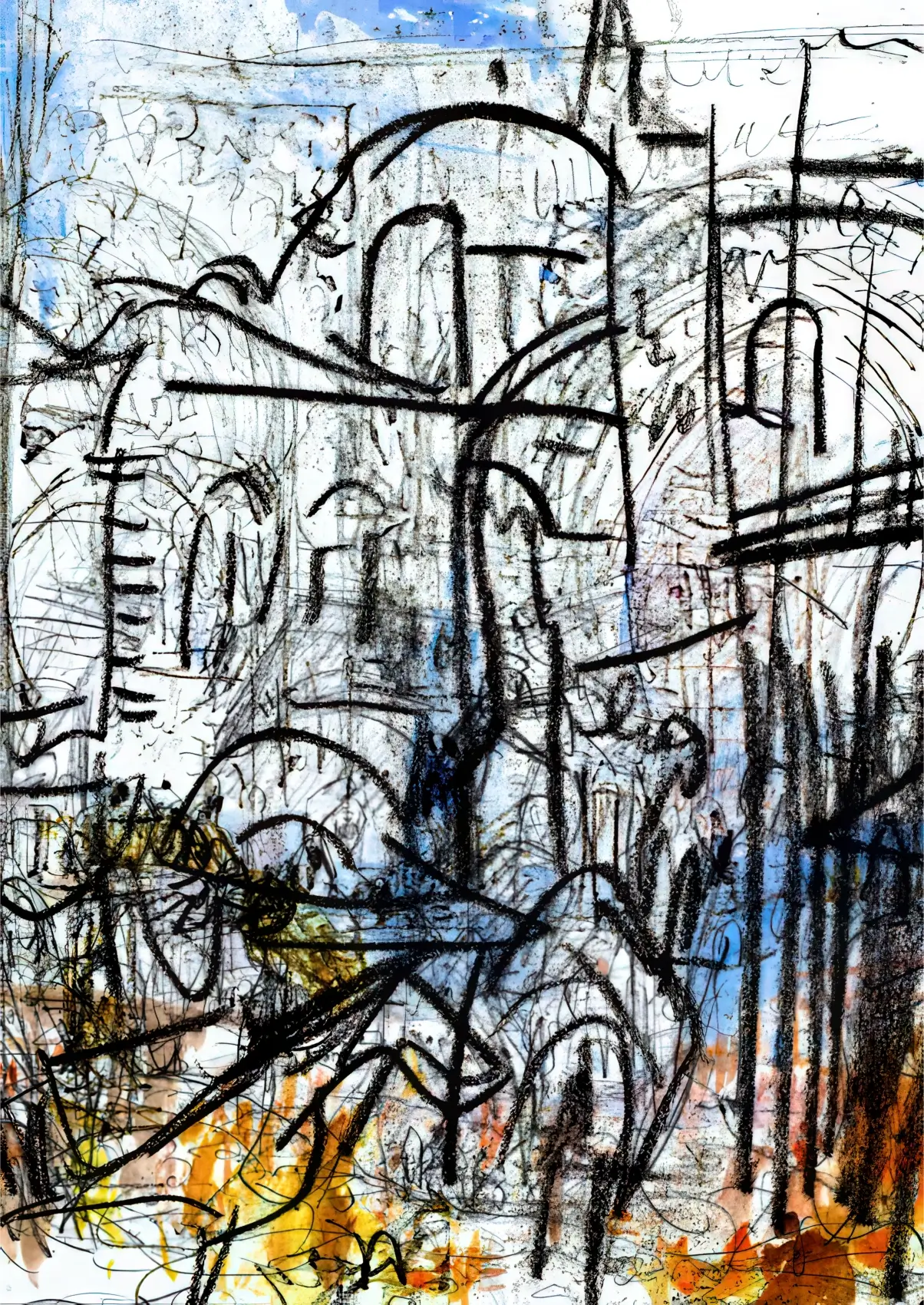
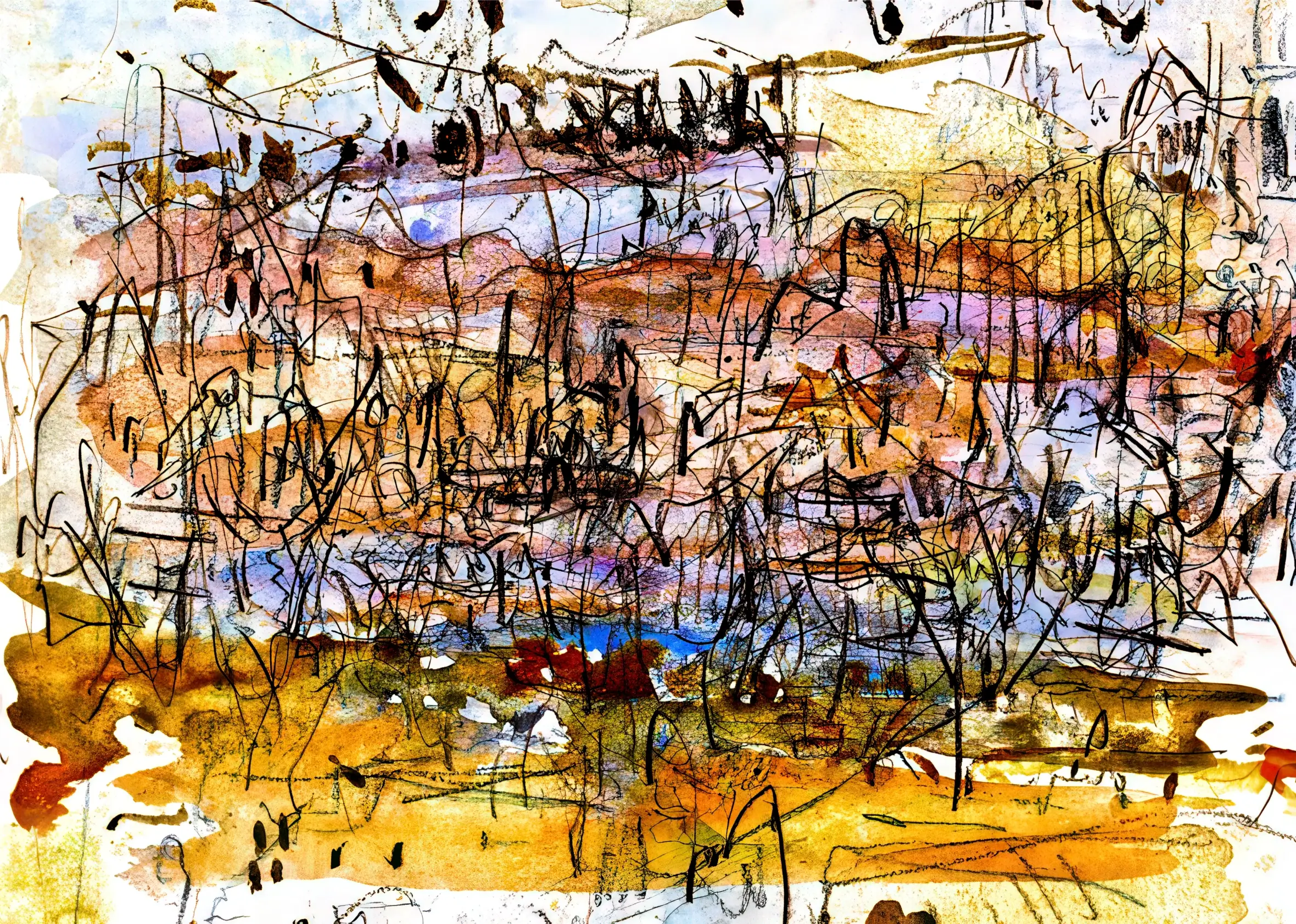
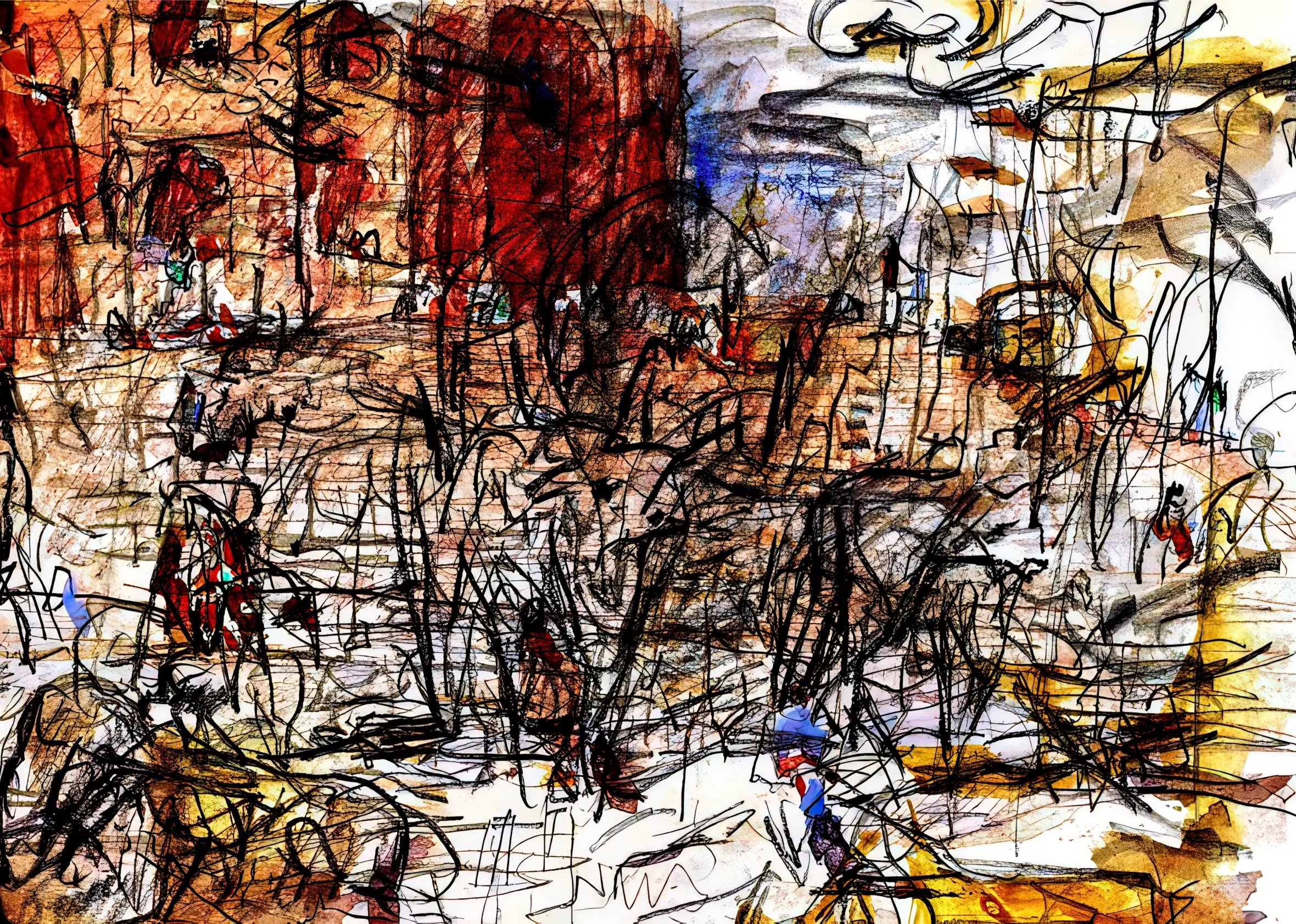
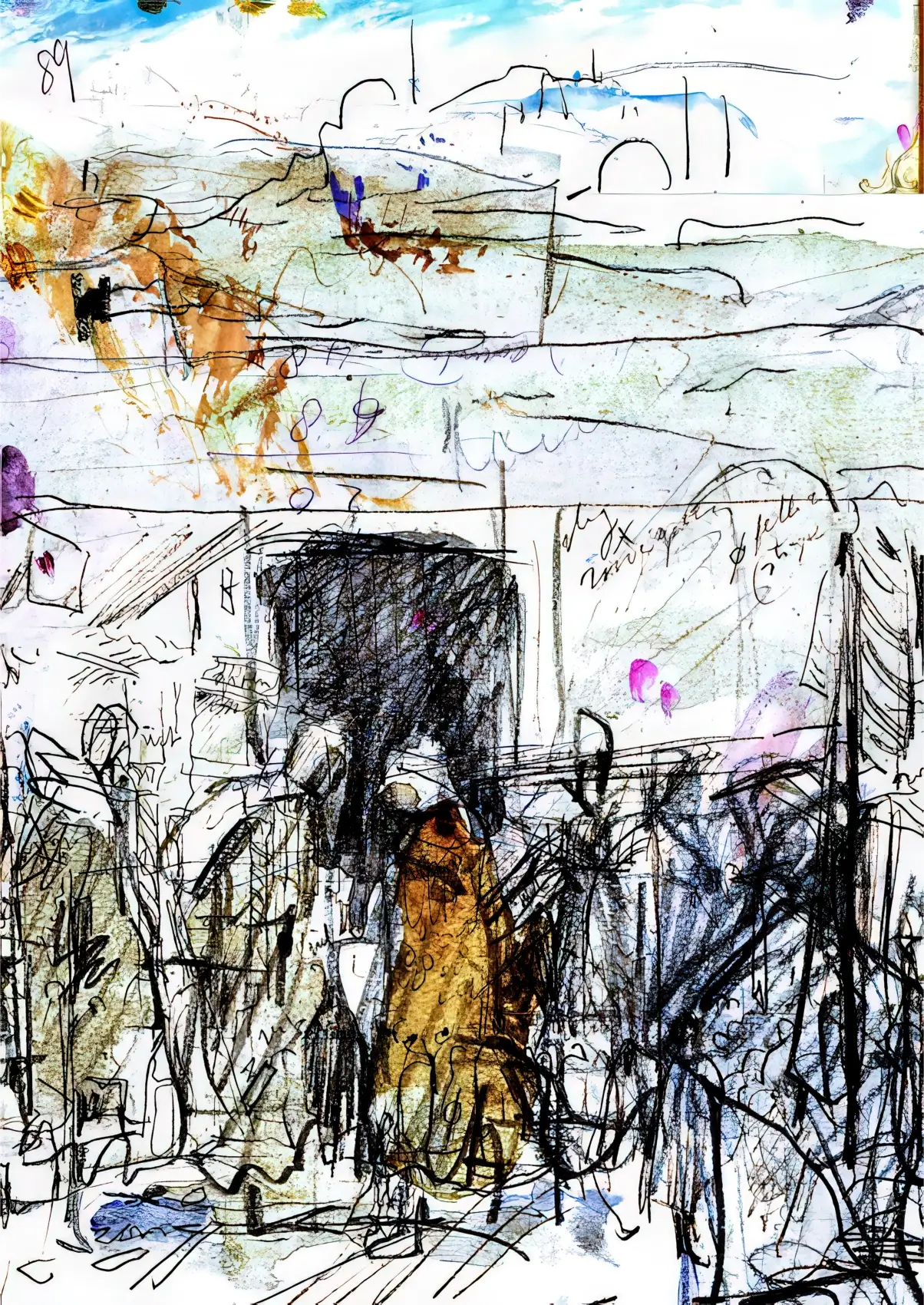
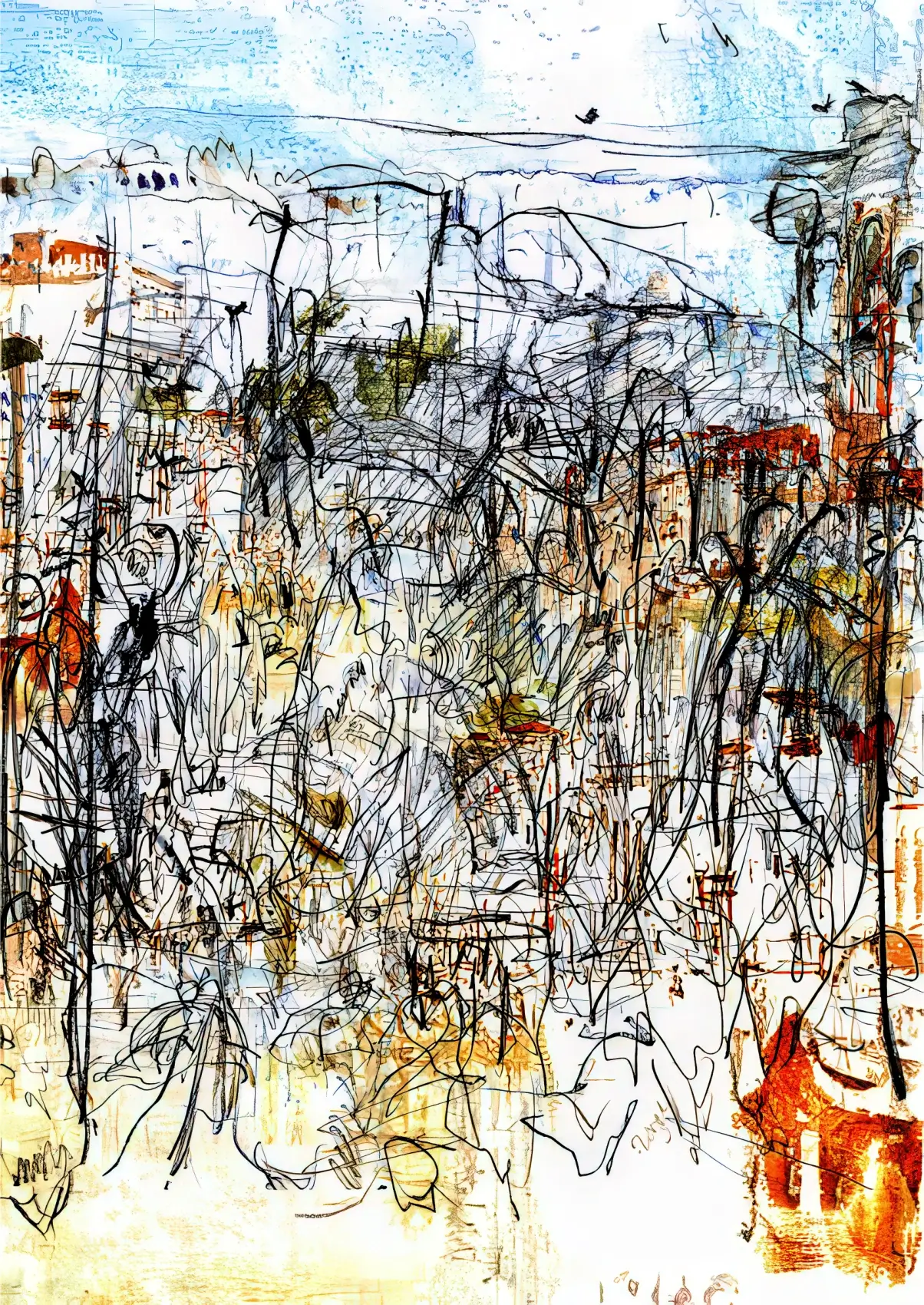
Miguel Ripoll began working with human-machine dialogue in 1999, using linguistic and programming methodologies to engage critically with algorithmic systems. His practice preceded current “AI art” discourse by decades, building on foundational research into generative coding and digital design.
His early generative pieces were exhibited at the Reina Sofía Museum (Madrid), the Akademie der Künste (Berlin), and the Cervantes Institute, with works now held in permanent collections including the Design Museum in Barcelona.
These experiments, which extended computational aesthetics from mere geometric abstraction into narrative and figurative territory, anticipated contemporary debates around machine authorship, mediation, and interpretation. But when available tools at the time proved inadequate for his vision, Ripoll decided to pause studio production to develop first the technological and conceptual frameworks necessary for more sophisticated computational engagement.
Over the following two decades, Ripoll became an internationally recognized expert in algorithmic interface design for complex information systems. Through his independent studio, he designed digital architectures for leading institutions across Europe, the Americas, and the Middle East, including Yale, Princeton, Columbia, the Mellon Foundation, UC Berkeley, Lund University, the Qatar Foundation, and the National Library of Morocco.
He has advised governmental agencies, startups, and global corporations on digital strategy, held senior positions at the Financial Times and several design studios in London, and served as Global Director of Design Strategy at Vistaprint (Nasdaq: CMPR), where he helped to shape creative tools used now by millions worldwide.
His work has been featured in Communication Arts, Creative Review, Prompt Magazine, Curatory Magazine, ArtViews, Le Matin, Il Giornale dell'Arte, Art Tribune, and many other international publications. He has been interviewed by the BBC and Deutsche Welle, with cover stories in Spain's leading newspapers including El País, El Mundo, and ABC.
Ripoll's perspective derives from extensive interdisciplinary training: he studied History of Art and Linguistics in Italy, graduated summa cum laude with Special Distinction from Goldsmiths, and researched for an MPhil at UCL, where he also was a Visiting Lecturer.
He was a Visiting Professor at the Polytechnic University of Valencia, delivered lectures and led seminars at Columbia University, Lund University, and IESE Business School, and taught master classes at leading Spanish universities.
Fluent in five natural and four programming languages, Ripoll has written essays on digital aesthetics and technology, translated major literary works by Alan Hollinghurst and Tom Sharpe for Spanish publisher Anagrama, curated and designed exhibitions across Europe and the Middle East, directed international conferences on digital technology, and served as juror alongside Nobel laureates and creative leaders in prestigious scientific and cultural awards.
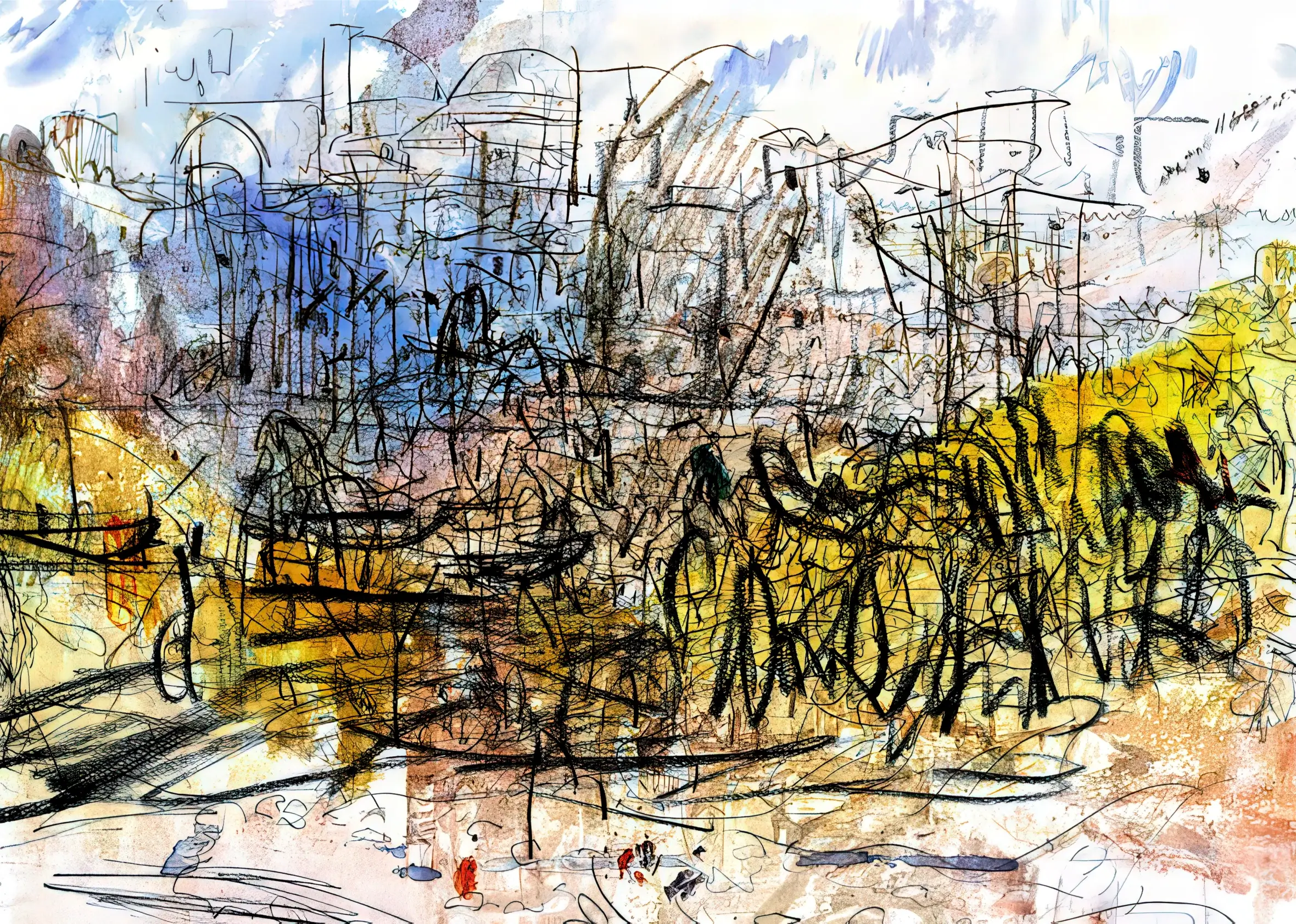
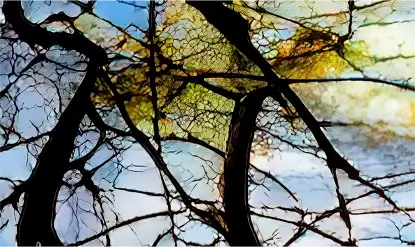
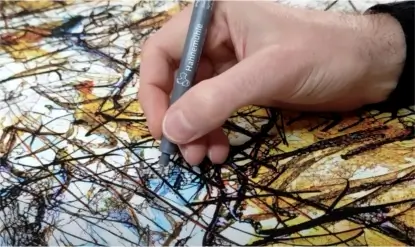
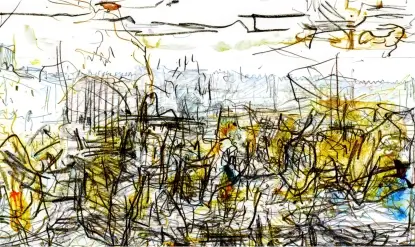
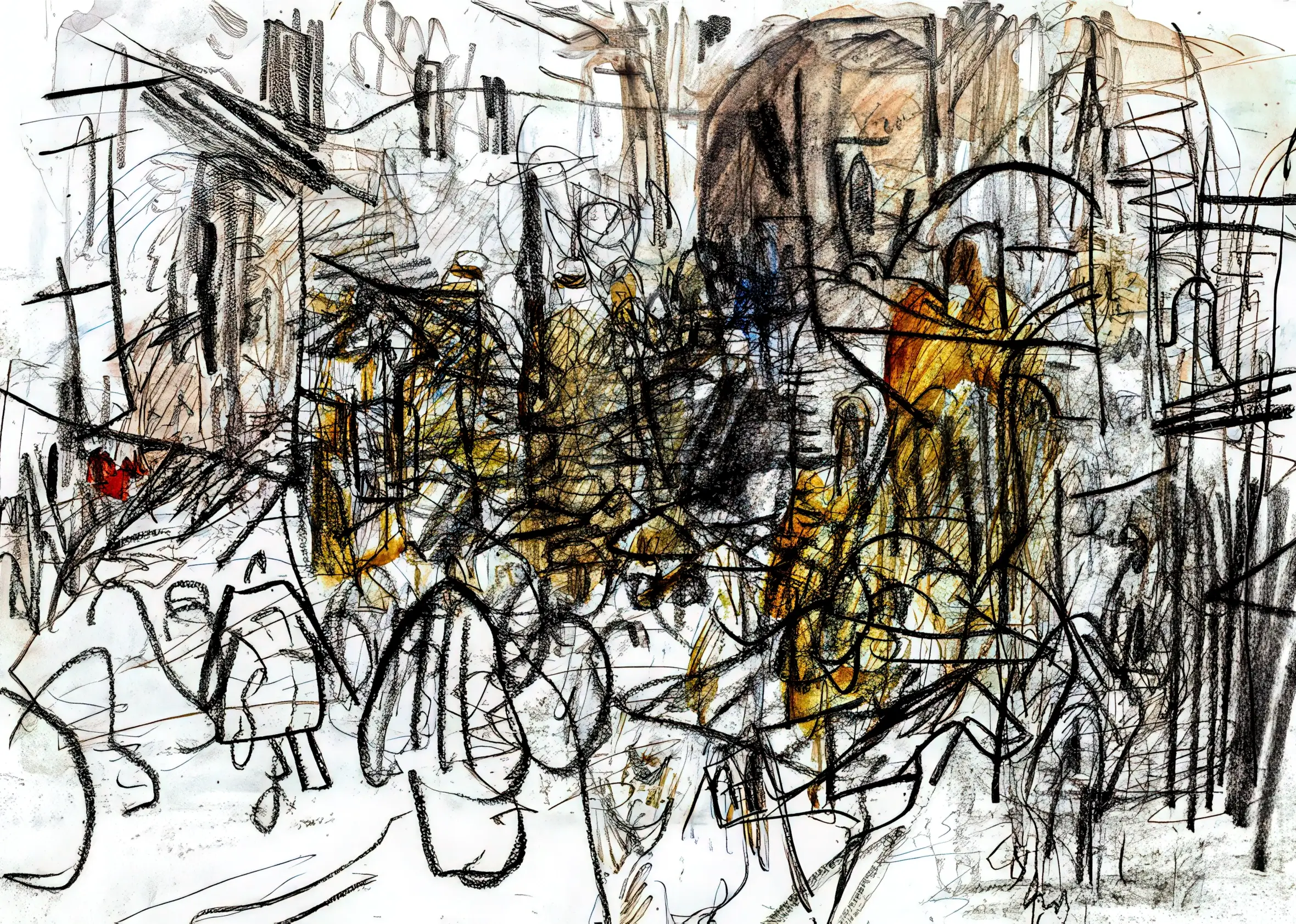
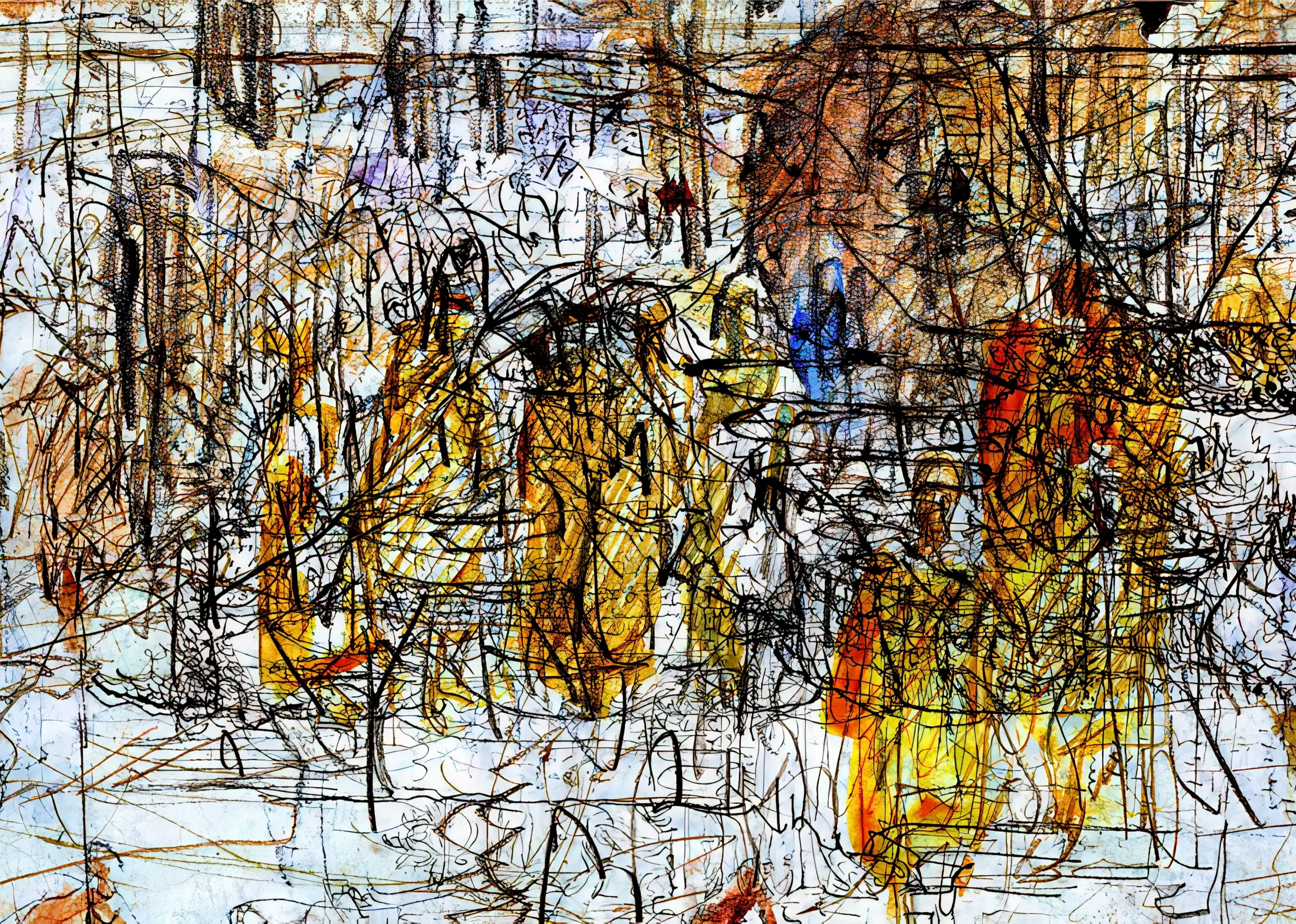
This technical and humanistic foundation informs an artistic methodology rooted in iteration, disruption, and the friction between mechanical logic and human gesture. Ripoll's return to full-time art-making in 2023 marked the culmination of decades of research integrated into a new visual language that re-frames traditional artistic concerns, techniques, and materials within contemporary digital tensions.
Selected for the European Union's Creative Europe NAT PMP Program, his work is now being presented across multiple countries. He has exhibited at CVPR, the world's leading computer vision conference, in Seattle (2024) and Nashville (2025, both curated by Luba Elliott), R/A (London), and Kunstraum Kreuzberg (Berlin).
Presentations in 2025 included group exhibitions in Hamburg, Palermo, Perugia, London, Belo Horizonte, São Paulo, and Miami during Art Week, and museum shows in Morocco and South Korea.
Throughout 2026 Miguel will have more institutional shows in Morocco and the UAE, and exhibit extensively elsewhere, including group shows in London, in his hometown Barcelona, at Phillips Asia Headquarters during Art Basel Hong Kong, and at the historic Palazzo Pisani-Revedin during the Venice Biennale.